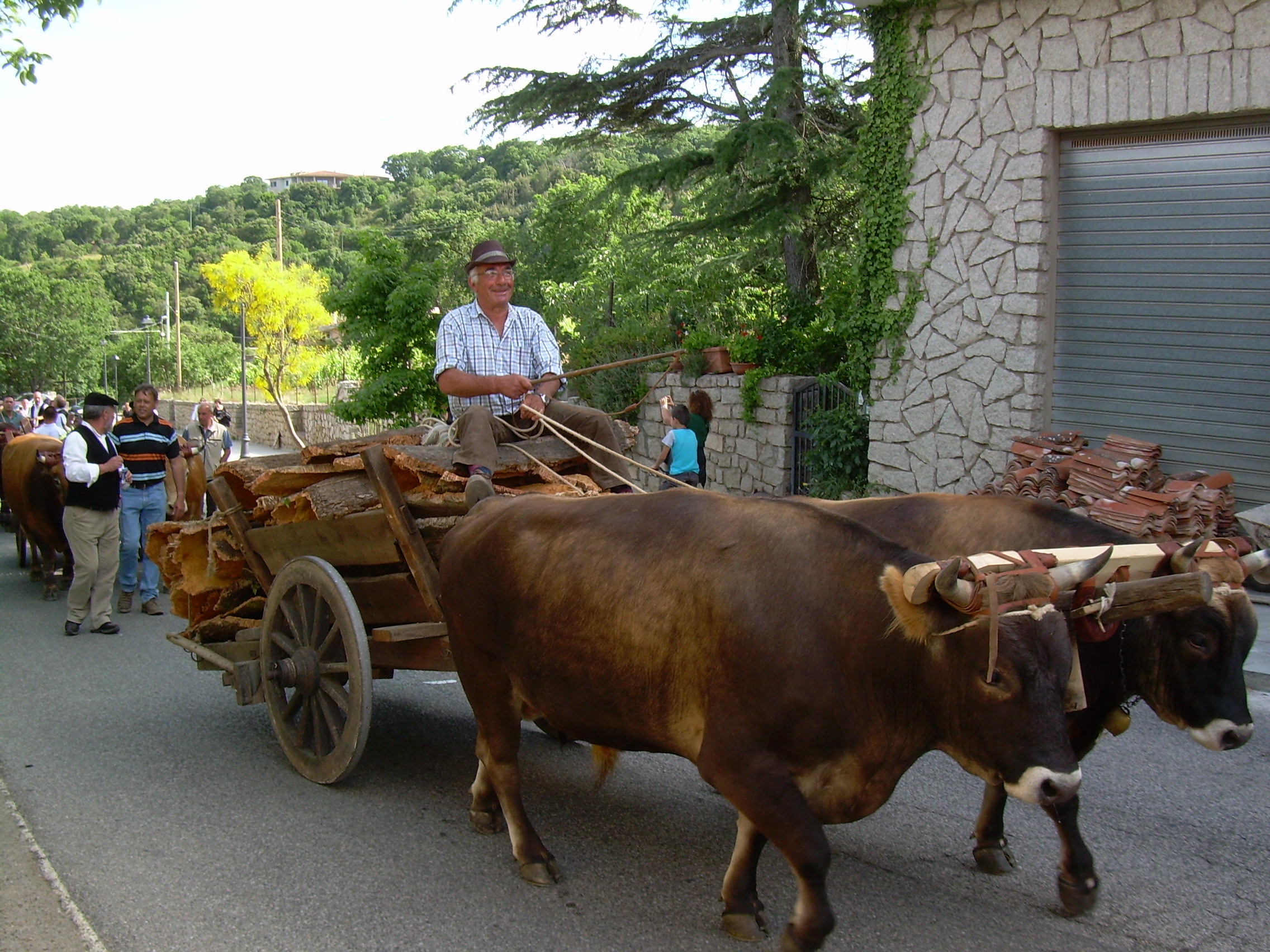
Aggius preserves a vast heritage of traditions and popular culture. The patronal feast in honor of Our Lady of the Rosary and Saint Victoria, the first Sunday of October, still has a completely profane appendix in the so-called "“feast of li Agghjani”, or bachelors.
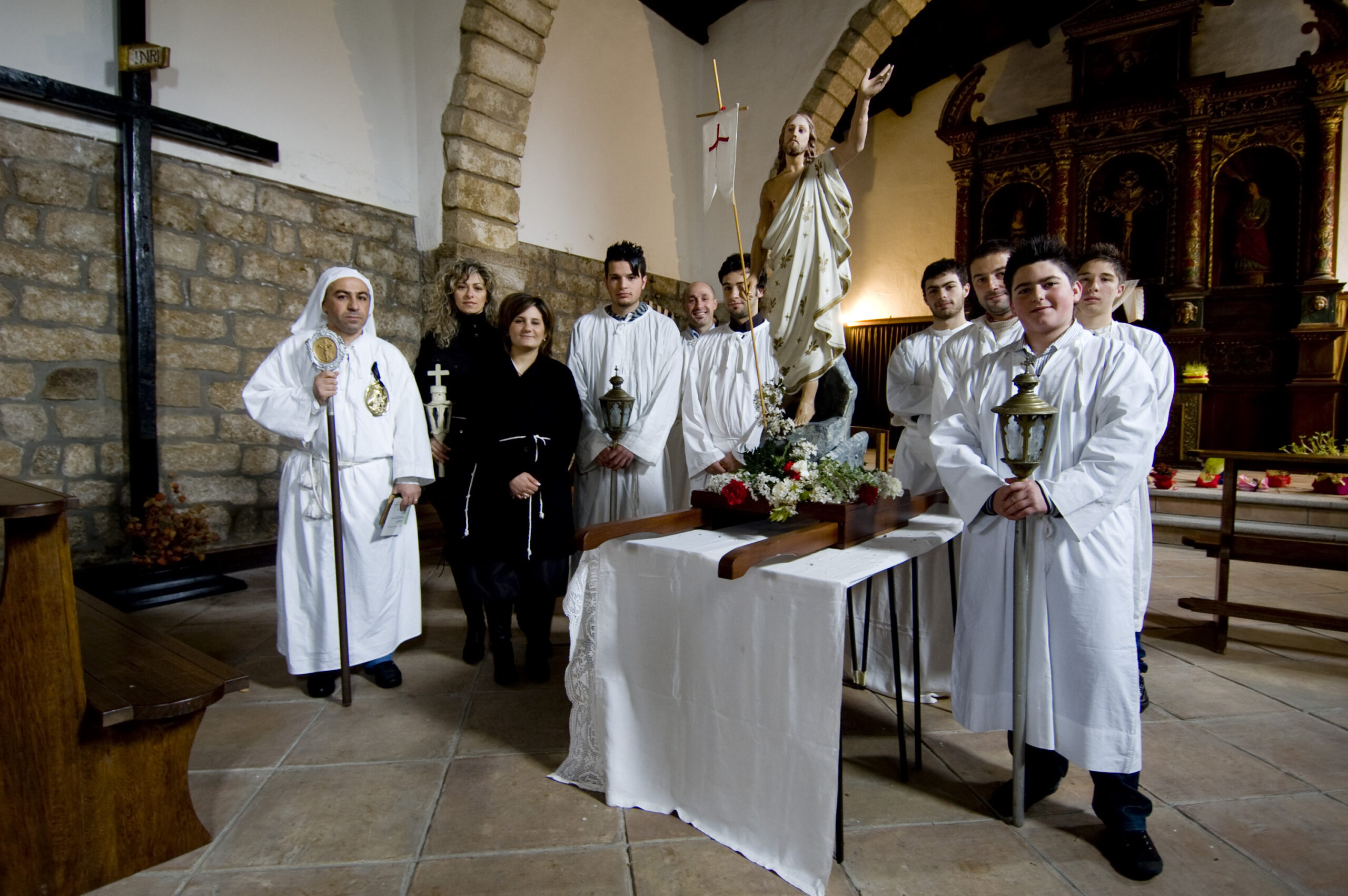
The processions and Holy Week rites, of Spanish origin, but even earlier Byzantine, are accompanied by the psalmody of the Confraternities of the Rosary and of the Holy Cross and by traditional choirs.
The choral singing Of religious origin, based on the harmony of five fused voices, it has always been one of the most important activities in the social life of Aggius. Over the years, secular themes have also been introduced alongside religious ones. There are three main choirs that enhance and pass on the choral tradition of Aggese:
“The Galletto di Gallura Choir”, whose name can be traced back to the particular nickname given by Gabriele D'Annunzio, in 1928, to the very famous singing teacher Salvatore Stangoni, director of the choir since its foundation, in the first half of the Seventies.
“"The Matteo Peru Choir”, born in the 1950s thanks to Matteo Peru, one of the most significant interpreters of the songs of Aggius.
The "“Balori Tundu Choir”, takes its name from and in honor of Salvatore Stangoni, known in Aggius with the nickname of Balori Tundu but later acquired fame as “Galletto di Gallura”.
In dance, the Aggius Folk Group keeps the centuries-old tradition alive.