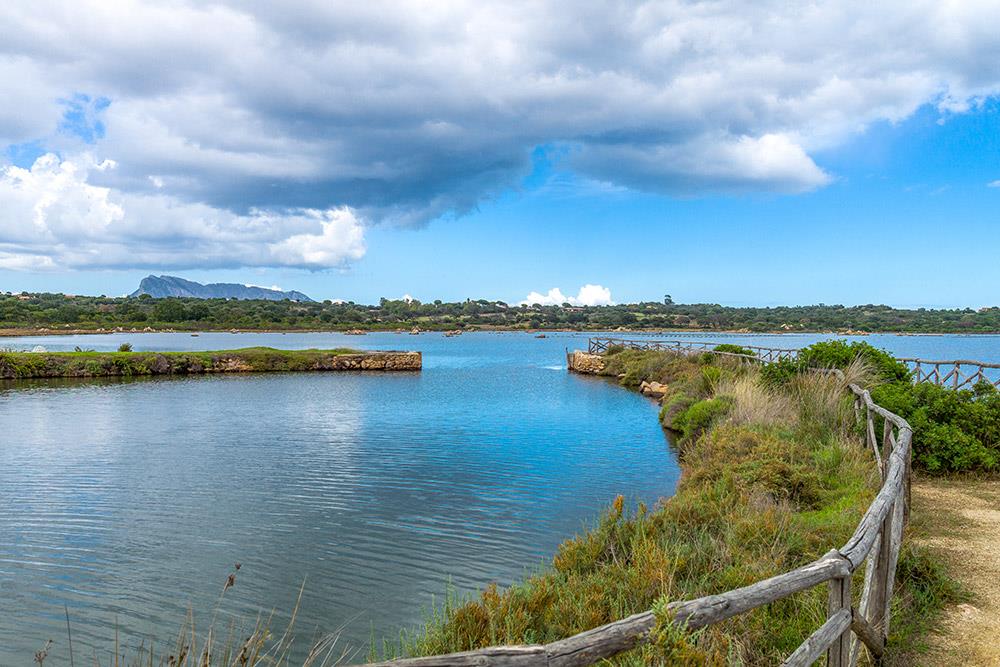
In San Teodoro, just a few steps away from one of Sardinia's most famous beaches, you'll find yourself faced with a completely different landscape.
Behind the long sand arch of the Belt it opens San Teodoro Lagoon, a large aquatic environment in which the sound of the sea gives way to the wind, the calls of birds, and silence.
It is one of the places where you can best understand that this territory is much more than its coast.
The lagoon is a precious ecosystem, included among the Special Areas of Conservation, in which fresh and brackish water, vegetation and fauna create an extraordinarily rich environment.
The Kingdom of Birds
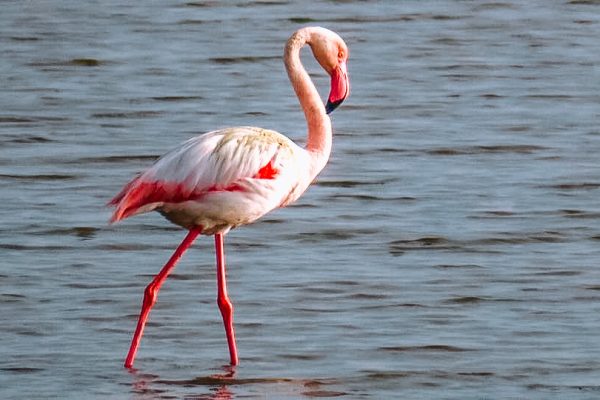
The pink flamingo he is inevitably the great protagonist.
Seeing a group of them moving slowly in the shallow water, especially when the light colors the lagoon, is one of the most fascinating images of San Teodoro.
But stopping at flamingos would only tell part of the story.
Numerous species of birds find their habitat in the area: black-winged stilts, cormorants, herons, coots, kingfishers, kestrels, and marsh harriers, together with other species associated with humid and marine environments.
It is therefore a particularly interesting place for the birdwatching, but you don't have to be an expert to appreciate it.
Sometimes you just have to stop and observe.
Walking along the lagoon
The lagoon can be discovered through various routes.
On the western side of the La Cinta beach There are designated areas that allow you to get close to the lagoon environment and observe the species that inhabit it.
And it is precisely by walking that you perceive one of the most beautiful aspects of this place: The sea and the lagoon coexist a very short distance away and tell of two completely different landscapes.
On one side the turquoise water, Tavolara and the beach.
On the other side, reeds, calm water, birds and silence.
The San Teodoro Lagoon is not just a place to visit: it is a place to observe over time.
Light changes the color of the water. Wind alters its surface. Birds move. Seasons alter vegetation and wildlife.
For those who love nature photography, this means being able to return to the same spot several times without ever finding exactly the same landscape.
And above all: we don't chase animals.
We observe them from a distance, avoiding noises and behaviors that might disturb them.
When to go
The lagoon is worth a visit throughout the year.
Spring and autumn are particularly interesting times for observing the natural environment and birdlife; even winter can offer days of extraordinary quiet and a completely different light from summer.
In the warmer months they are preferable early morning and late afternoon, both for temperatures and for the quality of light.
Why go there?
To discover that in San Teodoro there's a place where the sea is so close, yet seems so far away. You don't come here to do something: you come to observe nature as it simply continues to thrive.